

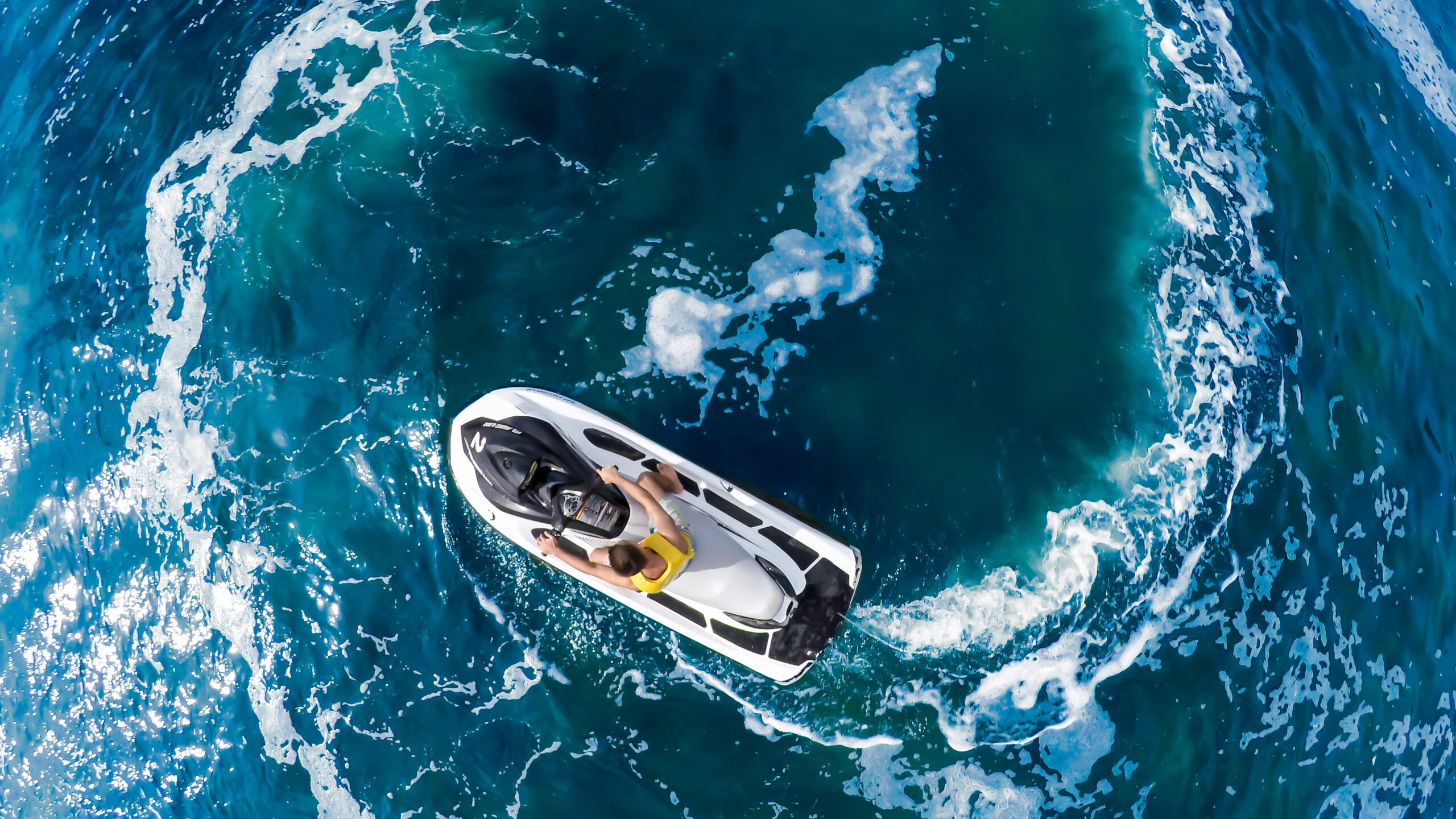

Recreational boats and personal watercraft are designed to deliver excitement on the water, but the engines that power them often create a different experience: excess noise, vibration, and heat. For OEMs of marine and recreational equipment, managing these factors is essential to improving user comfort and maintaining product reliability.
Custom molded polyurethane foam provides an effective way to tackle these challenges at the design stage. By integrating engineered foam into engine compartments and surrounding structures, manufacturers can significantly reduce noise and vibration while shielding equipment from harsh marine conditions.
In this article, we will explore how molded foam helps OEMs:
- Reduce engine noise in boats and personal watercraft for a quieter ride.
- Control vibration that can damage components or reduce equipment lifespan.
- Manage heat buildup in compact engine compartments.
- Protect systems from moisture, salt, and harsh marine environments.
- Simplify manufacturing with precision-fit molded foam components.
Why marine engines create unique energy management challenges
Marine engines operate in challenging environments. Components must withstand contact vibration, high temperature, humidity, and direct exposure to water that oftentimes includes salt. In compact engine compartments, such as those found in personal watercraft or recreational boats, these factors can quickly create performance issues.
Without proper energy management, engine noise can transfer through the hull, vibration can damage nearby components, and excess heat can affect both mechanical systems and passenger comfort. Manufacturers must balance performance, durability, and space constraints when designing these systems.
This is where engineered molded foam becomes an important design tool.
How does molded foam reduce noise, heat, and vibration?
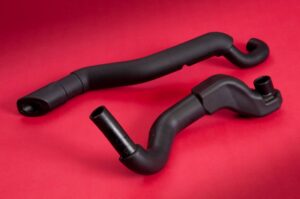
Custom molded foam components can be engineered to fit precisely within engine housings, compartments, and structural cavities. Unlike flat or die-cut materials, molded solutions conform to complex shapes and remain securely in place even under continuous vibration.
When used in marine applications, molded polyurethane foam can help:
- Absorb and dampen engine noise before it spreads through the vessel.
- Reduce vibrations that could damage nearby components.
- Create thermal barriers that manage heat from high-performance engines.
- Fill voids with lightweight material to improve structural stability.
- Simplify assembly by eliminating multiple foam pieces or fasteners.
These benefits are particularly valuable for manufacturers producing high volumes of marine equipment, where streamlined assembly and long-term durability are critical.
Built for harsh marine environments
In marine and recreational settings, materials must withstand more than just mechanical stress. Exposure to moisture, saltwater, and temperature fluctuations can quickly degrade conventional materials.
Custom molded foam solutions can incorporate integrated channels for hoses and airflow. These features allow manufacturers to protect sensitive components while maintaining airflow and thermal management.
The result is a quieter, more comfortable vessel without adding unnecessary weight or complexity.
From concept to custom solution
Designing with molded foam from the beginning allows engineers to solve energy management problems before they appear in the final product. Instead of retrofitting noise or vibration solutions after testing reveals issues, molded foam can be integrated into the product architecture during development.
The proactive approach is one reason molded foam has become increasingly popular across recreational equipment manufacturing.
In a previous article on enhancing recreational and marine equipment with molded foam, we explored how these materials improve comfort, durability, and performance across a range of applications, from marine engines to off-road vehicles. That discussion highlighted how molded foam helps reduce parts, simplify assembly, and improve overall product reliability in demanding environments.
Marine engine compartments represent another powerful example of how these solutions deliver measurable improvements.
Designing quieter watercraft
For boat and personal watercraft manufacturers, delivering a smoother and quieter ride is more than a luxury; it is a competitive advantage. Consumers increasingly expect recreational equipment to provide both performance and comfort, even in demanding environments.
Custom molded foam allows manufacturers to meet those expectations while also improving product durability and simplifying production. By addressing noise, vibration, and thermal management early in the design process, OEMs can develop marine equipment that performs reliably on the water for years to come.
When the right materials are integrated into the design from the start, the result is a quieter engine compartment, a more comfortable ride, and a better overall product experience.
If you are ready to explore how custom molded foam can improve marine or recreational equipment design, contact us to start developing your custom solution.