

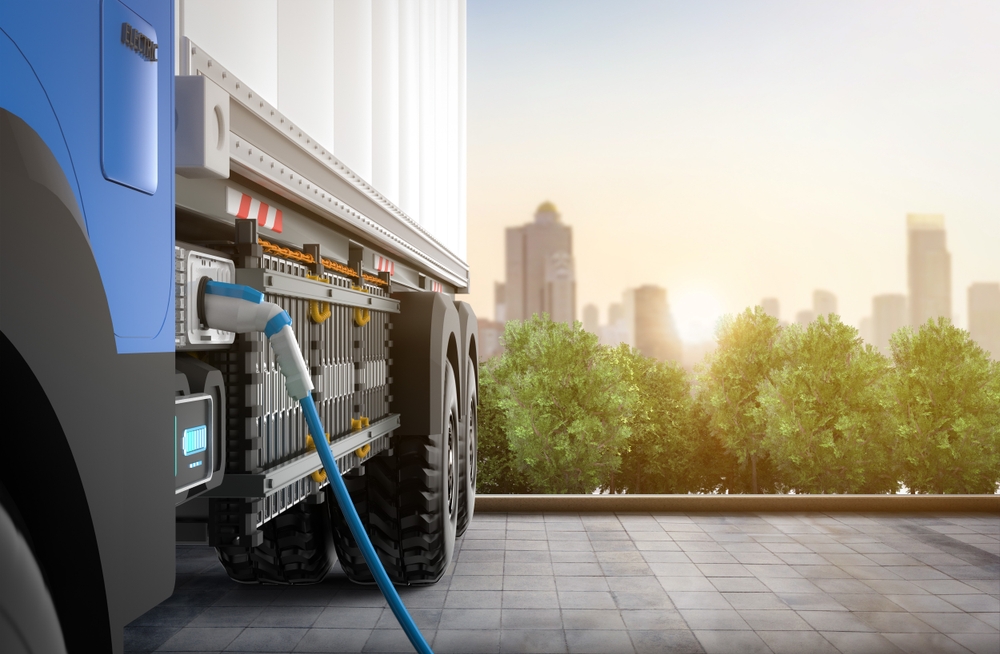

The heavy trucking industry has long been driven by diesel, but electrification is slowly gaining ground. In the United States, adoption has been gradual but consistent, as there are now thousands on the road for city-to-city hauling and other applications.
- Policy initiatives such as the Clean Trucks Plan are accelerating consideration of electric fleets by pushing emissions toward mandated targets.
- At the same time, expanding charging infrastructure and declining battery costs are making large-scale electrification more operationally viable for regional routes.
Electric semi-trucks can have a significant impact on public health, especially on drivers. Removing the vibration of the drivetrain and the high decibel roar and heat generated from the diesel engine should, in theory, create a calmer, more comfortable cab environment that reduces stress and fatigue for long-haul drivers.
But there may be more to the story that engineers and fleet managers will need to consider when it comes to noise, thermal, and comfort. We’ll examine some of these challenges and how Polymer’s advanced foam materials can help offset them to maximize driver focus and comfort on the open road.
Topics we’ll explore in this article include:
- Why acoustics challenges related to semi-trucks aren’t eliminated with electrification
- How thermal leaks in the cab could drain the battery faster and reduce its driving range
- Ways lightweight foam solutions solve acoustic and thermal challenges in electric semi-trucks similar to conventional models.
Does going electric solve cab noise and heat?
Previously, we reviewed some of the acoustic and extreme heat challenges related to long-haul trucking. The motor and drivetrain topped the list, as they generate the most noise and heat. According to Volvo Trucks, the reduction in noise through electrification is significant, going from 79dB (A) to 69dB (A) for local communities and 59dB (A) to 52dB (A) for drivers in the cab.
In addition to reducing noise that contributes to long-term hearing loss and immediate stress, electrification can also provide additional thermal and ergonomic improvements:
- Thermal Control: Digital HVAC systems allow for pre-conditioning, ensuring drivers enter a cab at a comfortable temperature without idling an engine.
- Fewer Vibrations: Electric powertrains deliver smooth, linear torque without gear-shift jolts, minimizing whole-body vibration and reducing strain on joints over extended shifts.
- Better Focus: Less overall noise in the cab from electrification may help driver concentration by eliminating the constant mental energy required to tune out engine drone.
Why electrification by itself may not be enough
Still, the drivetrain and engine are not the only contributors to in-cab noise. Even as electrification reduces powertrain sound, several persistent sources remain:
- Auxiliary systems such as HVAC units and braking components
- Road noise from tire-to-asphalt friction, surrounding traffic, and uneven pavement
- Aerodynamic noise, including high-frequency wind turbulence at highway speeds
In traditional diesel semi-trucks, the low-frequency hum of the engine often masks these smaller, high-frequency sounds. Once that engine noise disappears, previously hidden vibrations and annoying sounds become far more noticeable and potentially more distracting over long distances.
And acoustics are only part of the problem
Electrification introduces new thermal considerations as well. Battery enclosures require consistent temperature regulation for performance and longevity. At the same time, maintaining a comfortable cab must be balanced against energy consumption, since HVAC draw directly impacts vehicle range.
This is where advanced, lightweight foam insulation solutions become critical, helping manage both acoustic and thermal transfer while supporting driver comfort and overall efficiency.
Polymer’s targeted foam solutions for electric semi-truck cabs
At Polymer Technologies, we offer a wide range of lightweight foam materials for conventional and electric semi-trucks. The solutions below outline how foam insulation can be used for acoustic and thermal applications in EVs based on our experience partnering with the heavy trucking industry.
POLYDAMP® Melamine Foam (PMF)
Why it matters for EVs:
With its fine open-cell structure and extremely low density, PMF provides effective high-frequency sound absorption while limiting heat transfer from ambient conditions.
Typical applications:
Wall and ceiling insulation
Overhead wind noise absorption
Solar heat gain reduction
By reducing acoustic distractions and limiting heat transfer, PMF helps maintain a stable cab environment without increasing HVAC load.
POLYDAMP® Hydrophobic Melamine Foam (PHM)
Why it matters for EVs:
Battery-electric platforms are sensitive to moisture and condensation, particularly in HVAC and enclosed systems. PHM delivers the same thermal and acoustic performance as PMF with enhanced hydrophobic properties.
Typical applications:
HVAC duct insulation
Enclosures near thermally sensitive components
Maintaining conditioned air temperature reduces strain on electric HVAC systems and supports long-term durability.
POLYDAMP® Acoustical Foam (PAF)
Why it matters for EVs:
Once diesel engine noise is removed, road and tire interaction becomes a dominant sound source. Ether-based urethane formulations provide durable noise absorption in variable environments.
Typical applications:
Door panels
Cab walls
Enclosure gaskets
PAF helps control road slap and tire noise that would otherwise become more noticeable in electric platforms. Barriers and composites can also be used for floor mats and other applications to minimize vibration and reduce sound.
Why it matters for EVs:
Electric heavy trucks often have different weight distributions and resonance characteristics than diesel vehicles.
Typical applications:
Custom floorboard seals
Structural vibration isolators
Protective molded components
Custom polyurethane foam solutions can be engineered for an exact fit within complex enclosures and openings, effectively sealing gaps to create a quieter environment and maintain stable interior temperatures.
Supporting drivers with a better cab experience
As heavy trucking moves toward electrification, insulation must evolve alongside the drivetrain. Our foam solutions are designed to improve comfort and focus in the cab while supporting battery efficiency and range preservation.
If you are evaluating insulation strategies for electric semi-truck cabs, Polymer’s engineering team can help identify material solutions tailored to your application. Contact us today to explore our solutions and think out of the box.